1. | Condemnation as an Attempt to fix the world
Ancient crucifixion is today replaced by social canceling and verbal crucifixion. Many still believe it helps
Translation from Estonian: Janina Karemäe
If condemnation expressed in public space were to be realized at the physical level, Estonia would certainly be standing on the forefront of the combat against global warning, and the first country in the world to earn the title of a 100% human-free ecological country. Posthumously, of course.
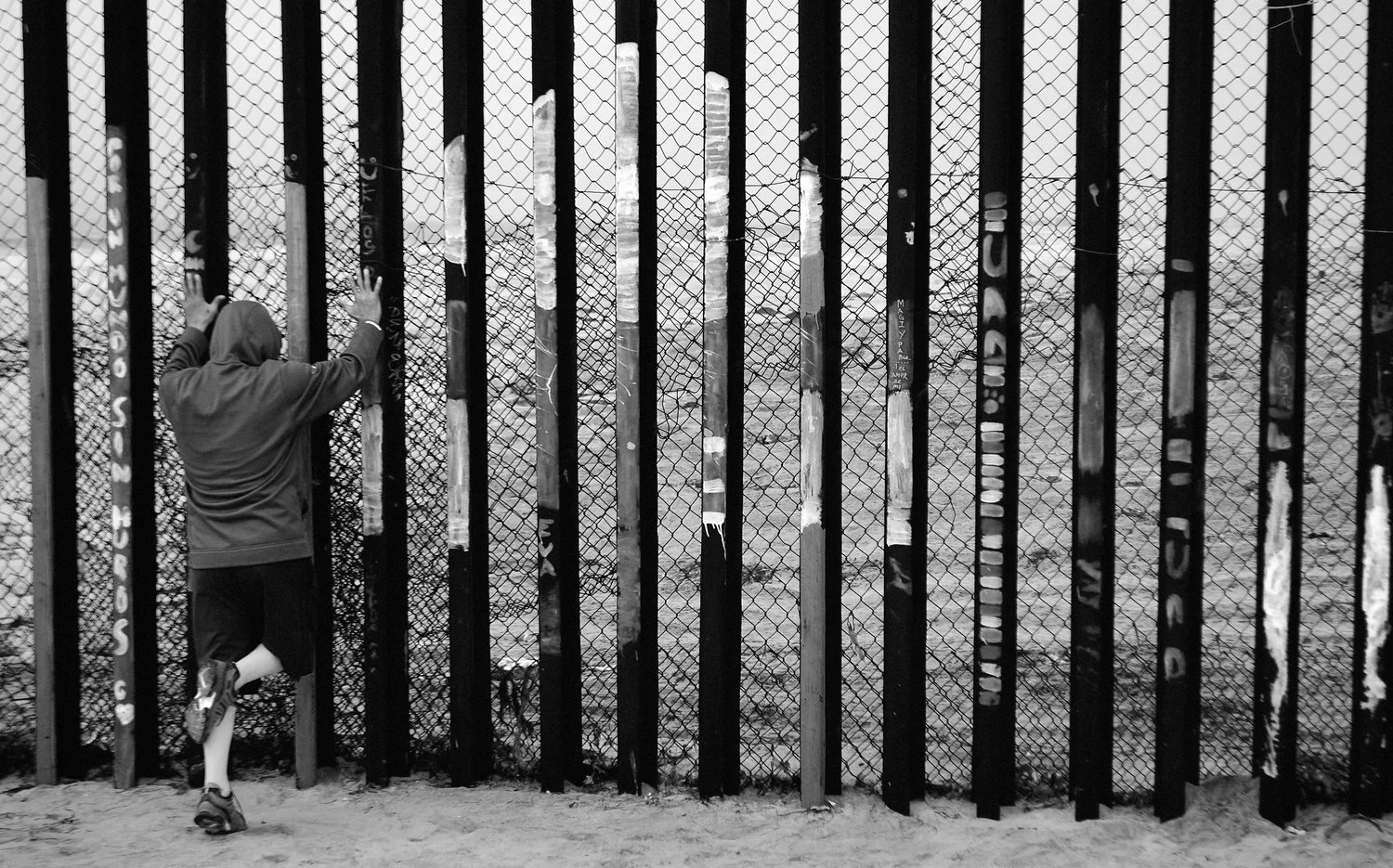
First, we condemn (either as a group or as individuals) those who are responsible for managing the functioning of our society. Politicians, public officials, entrepreneurs, business people and managers – each and every one them of sooner or later gets a verbal shot in their back. Often, however, shots are fired with machine guns and in bulk, usually on Facebook and in comment sections of media publications.
I understand the paradigm underpinned by conflict (rather than cooperation), which dominates our current society and political system, and so it is understandable that the only things that we could expect from the opposition are condemnation and mistrust. Yet I would still like to pose a question in the form of a vision: When will we see the first expression in support of the coalition? Or vice versa: When will the coalition listen to any of the opposition’s proposal? When could we expect to see understanding instead of condemnation? Is it really such an impossibility or do we still have hope?
One could ask another intriguing and rhetorical question: Why are no companies or organisations managed according to the model of confrontation, i.e. the ‘opposition versus coalition’? Why is politics the only sphere where such management model is applied?
If we tried to improve our often stressful family life the same way – by condemning – as we frequently attempt to do at the level of the society, all these condemners with their best of intentions would very soon find themselves quite alone. It rather seems that the root cause of the current high rate of divorces and family issues goes down to the same problem: trying to make other people better through criticism and condemnation. The prevalent understanding is that others are to blame for my frustration. If others behaved differently and were different, life would be different (good).
I believe that every psychologist could provide us constructive advice here. It is no news that constant condemnation of a spouse or children damages the relationship and demotivates children. However, at the level of the society we feel that anonymous and uncontrolled publication of all this condemnation and ‘constructive’ criticism would make our society better: makes politicians, public officials, entrepreneurs, business people and managers work better. However, what actually happens is that more sensitive individuals surrender and withdraw, and only those will remain, who are capable of developing an adequately thick skin (become at least partly indifferent) or who have psychopathic tendencies since birth and who can turn any attention and condemnation to their advantage.
All this could seem as if I called for disregarding mistakes. But noticing mistakes and condemnation are not the same thing. First, we need to make a distinction between words, ideas, or acts and people. It is healthy to speak about unreasonableness of ideas or actions, or that such words do not lead the social discussion in a positive direction. Quite another matter applies to individuals and collectives where certain acts, ideas or words could make a positive impact, while others cause a negative impact. By condemning people (whether individually or collectively) our decision is based on a prejudice: we are motivated by certain acts, ideas or words, ignoring other acts, ideas or statements that do not support the reasoning behind our condemnation.
At every celebration of the anniversary of the Republic of Estonia our President traditionally reminds us about Estonia’s successes, adding, however, some prickling comments which show that not everything is the best it could be, or that now is the time to do something in a different way – better than before.
This is what a constructive attitude that heals the society should be. A large share of Estonian people, including politicians, public officials, entrepreneurs, business people and managers have done their job well. Naturally, something could have been done better, but generally we see such better option in hindsight. Therefore, I dare to maintain that if we do want to improve life in Estonia quickly, it would be productive to just stop executing each other verbally, and to make efforts to understand that it is not condemnation, but UNDERSTANDING that is the key to make the society better.
Estonian people would unite only if they had a more powerful enemy than their neighbour. I am sure that everyone would forget their bickering with others. A couple of times throughout the history something like this has indeed happened.